
Industrial energy monitoring
An Energy Management Information System (EMIS) gives Canadian factory teams a shared view of electricity use. Follow demand through production and idle hours, then check what changes after an adjustment.
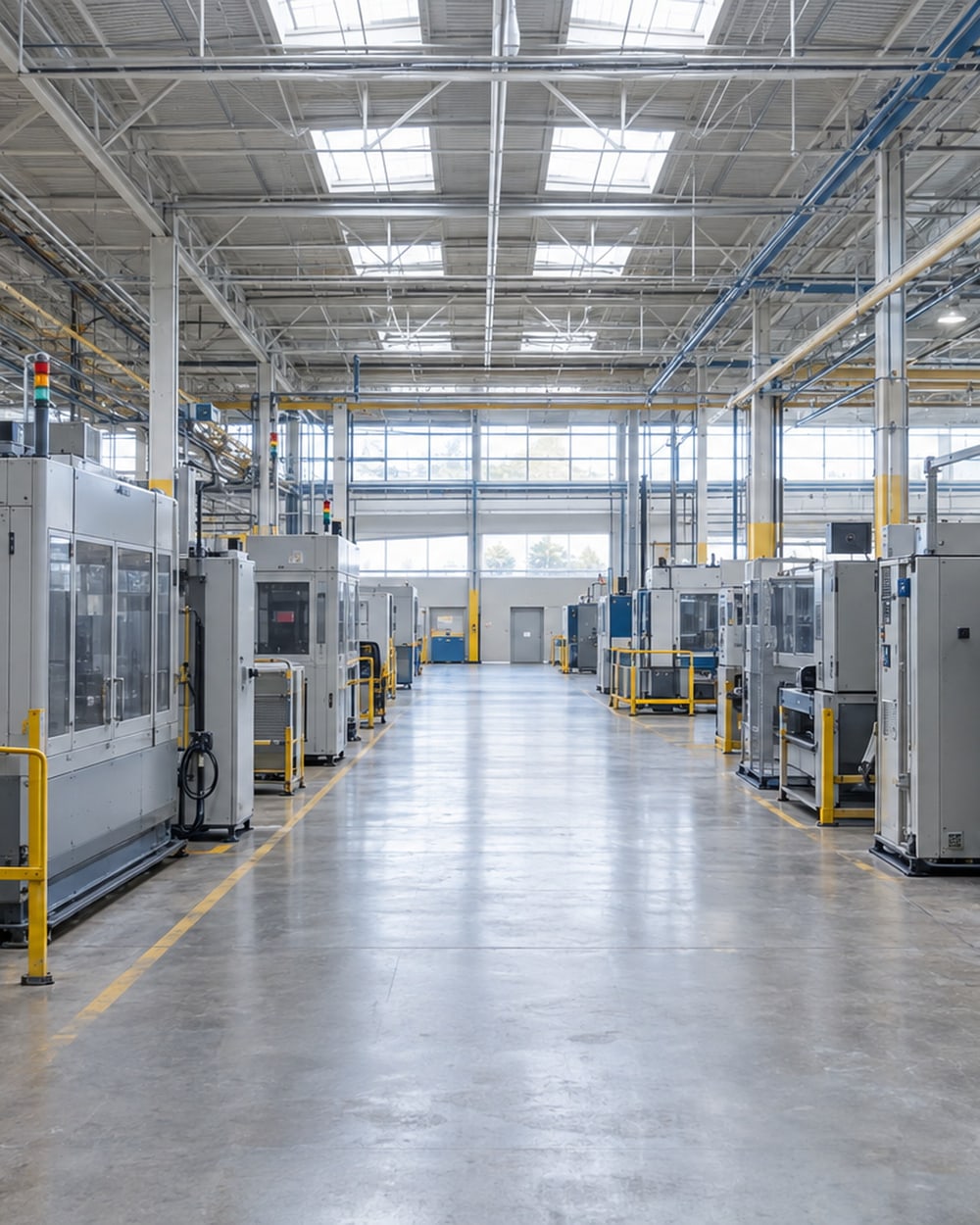
What we install
We connect compatible electricity meters and add metering to selected feeds. Submetering separates the main incoming demand into the processes and equipment your team needs to manage.
Our wireless sensors send readings through 900 MHz radios, including Digi XBee, to a site gateway. The gateway connects those readings to your centralized dashboard.
We check instrument outputs, access and the wireless path during the site visit. Together, we agree the monitoring points, gateway connection and installation sequence around your operating schedule.
Find the night baseline
The main meter shows the total. Submeter readings show which loads remain when production ends.
An alert prompts a schedule check
- Production load
- Ventilation load
- Other measured loads
- Production period
- Idle period
- Night baseline
What your team gets
You get a live dashboard for electrical demand and energy use, with a recorded baseline for operating and idle periods. That record gives your energy management work a way to check the effect of schedule and equipment changes.
We configure alerts to phones and email around the conditions your team needs to know about. You choose the recipients, operating schedule and response to each alert.
Reports give your team a record to review alongside operating changes. Our team stays involved after installation to review the readings and adjust the monitoring as your needs change.
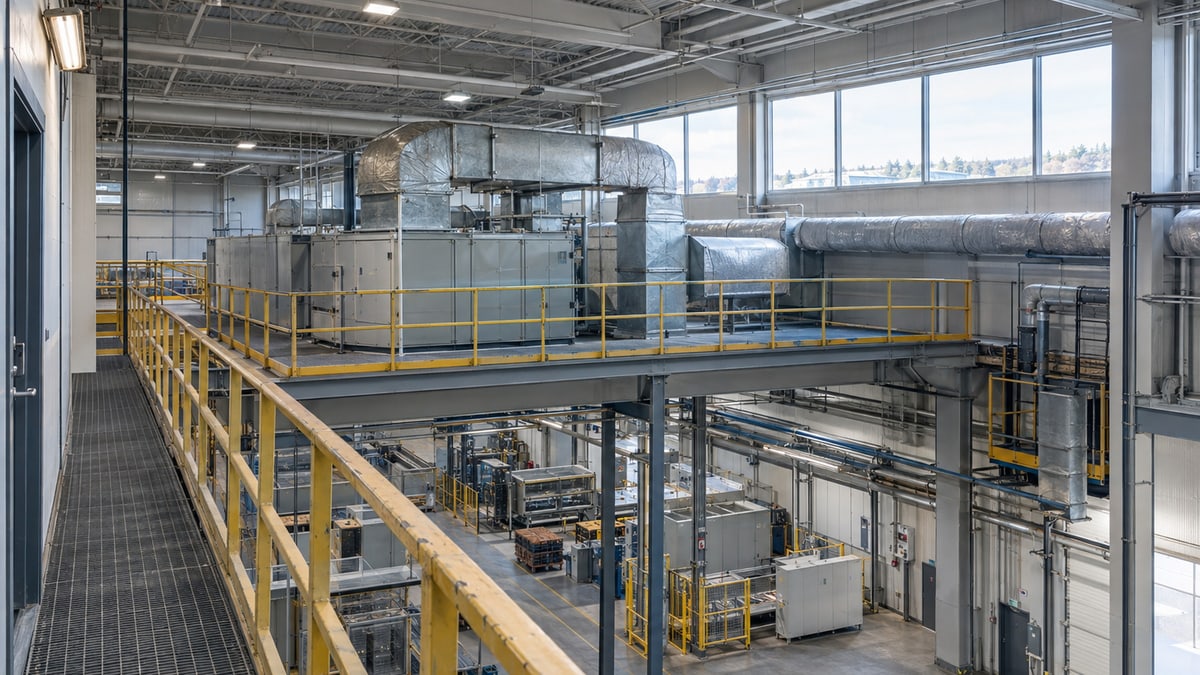
Case studies
The setback case follows an overnight load reduction. The benchmarking case compares energy per unit across comparable factories; its difference is an investigation starting point.
Energy & electricityBulk Handling & Rail Logistics
Night setback that never happened
A distribution warehouse
The overnight setback had silently stopped working, and it was worth about a third of the load.
~35%of overnight electrical load
Energy & electricityManufacturing: Automotive, Plastics & Rubber
Three factories, one unit of production, one outlier
A manufacturer with three factories
Same product, same equipment, and one factory used about 40% more energy per unit.
~40%more energy per unit
Plan the next step
- Electricity meter buying guide
- Electricity cost calculator
- Start a weekend-running alert
The weekend-running recipe starts with a compressor power reading. Adapt the equipment and condition to your facility before sending the request.
- How alerts work
Common questions
Can you use our existing electricity meters?
We use existing electricity meters when they provide a compatible output. We check pulse, 4-20 mA or Modbus availability for each instrument and its configuration. Where another feed needs its own reading, we specify suitable metering.
What is an EMIS?
An Energy Management Information System (EMIS) brings meter and sensor readings together for review. It gives energy management work a record of demand, consumption and operating patterns, so your team can compare changes against a baseline.
Can we compare energy use across factories?
Comparable metering points and production counts allow energy use to be compared per unit of output. We agree the basis with your team before setting up the view. The comparison identifies differences for investigation.
How is electrical installation arranged?
We review meter access and the electrical work needed with your facility team. Existing meter outputs and any additional metering determine the installation scope. We agree access and scheduling before work begins.
Can alerts follow our operating schedule?
Alerts can use the operating windows and demand conditions your team agrees. We review the expected idle behaviour before setting the threshold. The notification asks your team to check equipment or scheduling when demand persists.
Find the loads worth a closer look
Walk the facility with our team and show us where electricity use needs a clearer view. We will agree the measurements and connections to start with.
Book a site visitContact our team
or call 1-833-QUANTFY (1-833-782-6839)