
Predictive maintenance monitoring
Wireless vibration monitoring gives maintenance teams a record of changing equipment condition. Follow pumps and conveyor drives against their own baseline, then plan the next inspection from the trend.

What we install
We install vibration and temperature sensors on selected assets and bring in compatible existing condition signals. Flow monitoring can also reveal a changing process signature, as it did on Carlsberg’s transfer line.
Our wireless sensors send readings through 900 MHz radios, including Digi XBee, to a site gateway. The gateway connects those readings to your centralized dashboard.
We check instrument outputs, access and the wireless path during the site visit. Together, we agree the monitoring points, gateway connection and installation sequence around your operating schedule.
Follow a changing vibration trend
The asset’s baseline gives the trend a reference. A warning-band crossing prompts maintenance to review the change and arrange an inspection.
Maintenance gets a trend to review
- Asset baseline
- Warning band
- Alarm band
What your team gets
You get a live dashboard with the selected condition readings and a recorded baseline for each monitored asset. Your team can review how a trend changes alongside the equipment’s operating history.
We configure alerts to phones and email around the conditions your team needs to know about. You choose the recipients, operating schedule and response to each alert.
Reports give your team a record to review alongside operating changes. Our team stays involved after installation to review the readings and adjust the monitoring as your needs change.
Case studies
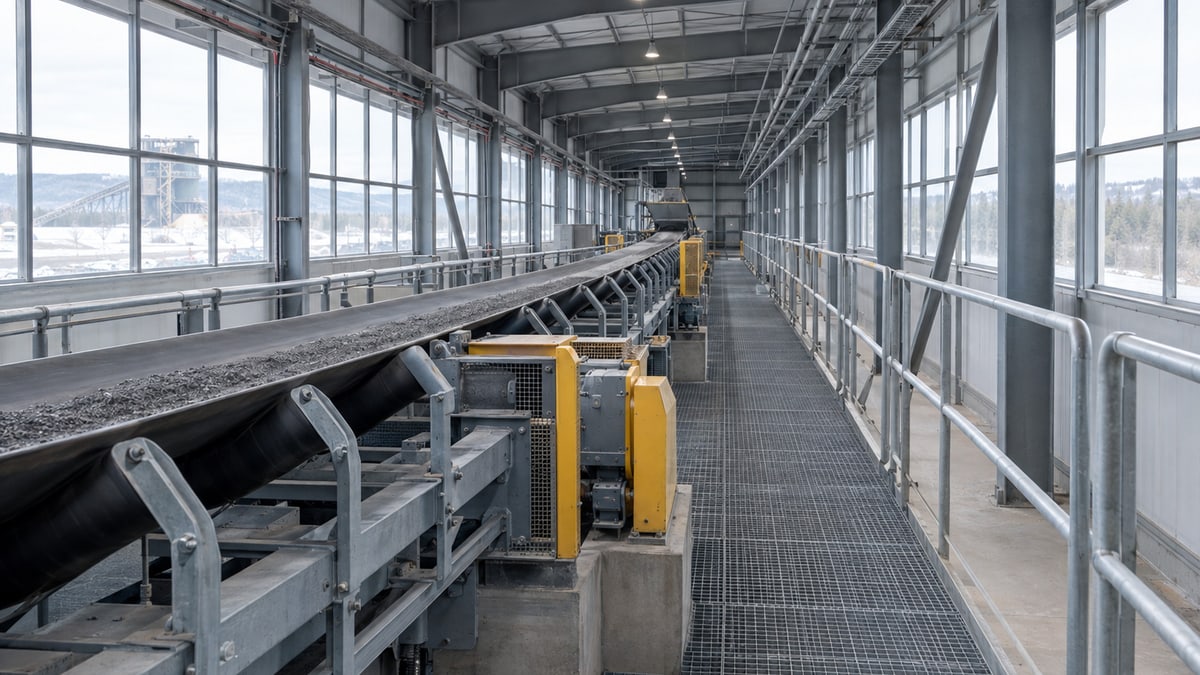
Carlsberg’s scheduled pump replacement followed a change in the transfer line’s flow signature. In the conveyor case, six weeks of warning means time to projected seizure. In the cavitation case, three weeks means time before audible failure.
Predictive maintenanceWaterBreweries & Beverage
A failing diaphragm pump, caught before it failed
Carlsberg Canada
A transfer line's flow signature drifted, the alert fired, and the diaphragm was replaced on a schedule instead of during a shutdown.
Scheduledreplacement
Predictive maintenanceBulk Handling & Rail LogisticsManufacturing: Automotive, Plastics & Rubber
Conveyor-drive bearing degradation detected six weeks before failure
A bulk handling facility
The bearing’s vibration signature began changing approximately six weeks before the projected failure point.
6 weeksof warning
Predictive maintenanceMunicipal & Public Utilities
Pump cavitation caught three weeks early
A municipal water facility
The vibration signature changed about three weeks before anyone would have heard it.
3 weeksof warning
Plan the next step
- Condition sensors and gateway connections
- Build a condition alert request
Start a custom alert and choose the vibration variable for a vibration reading. Add the asset, unit and condition for our team to review.
- How alerts work
Common questions
Which equipment can you monitor?
We select assets around the condition your maintenance team needs to follow. Pumps and conveyor drives are examples in the case studies on this page. Instrument choice and monitoring points depend on the asset and its operating pattern.
What changes trigger a maintenance alert?
We agree the alert condition around the asset’s recorded behaviour and the reading being monitored. Your team reviews the threshold, timing and recipients with us. A changing trend gives maintenance a reason to inspect the asset.
Can you use existing monitoring signals?
We connect compatible existing instruments alongside the sensors selected for the asset. Pulse, 4-20 mA or Modbus connections depend on the signal the device provides. We confirm the output and what it measures during the site review.
Does an alert identify the fault?
An alert identifies a condition that needs investigation. Maintenance reviews the trend and operating context, then inspects the asset to establish the cause. The readings support that decision and help the team plan the work.
What happens after an alert?
Your team reviews the trend and arranges the appropriate inspection. We stay involved in reviewing the readings and the monitoring settings. After work on the asset, the continuing record helps your team follow its return to operation.
Give maintenance a trend to act on
Walk the facility with our team and show us where equipment condition needs a clearer view. We will agree the measurements and connections to start with.
Book a site visitContact our team
or call 1-833-QUANTFY (1-833-782-6839)